

We Studied the Science.
Because What Women Have Been Told Isn’t Working.
If you’re doing “all the right things” and still not seeing change, this is for you.
For six months, we studied what actually happens when women ages 39–68 train with Blood Flow Restriction (BFR) instead of chasing heavier weights, longer workouts, or more intensity.
The results were clear:
Strength went up, waist and hip measurements went down, resting heart rate improved — and the biggest changes showed up in women over 50 and women who felt stuck before starting.
See what actually changed.
Try a smarter workout.
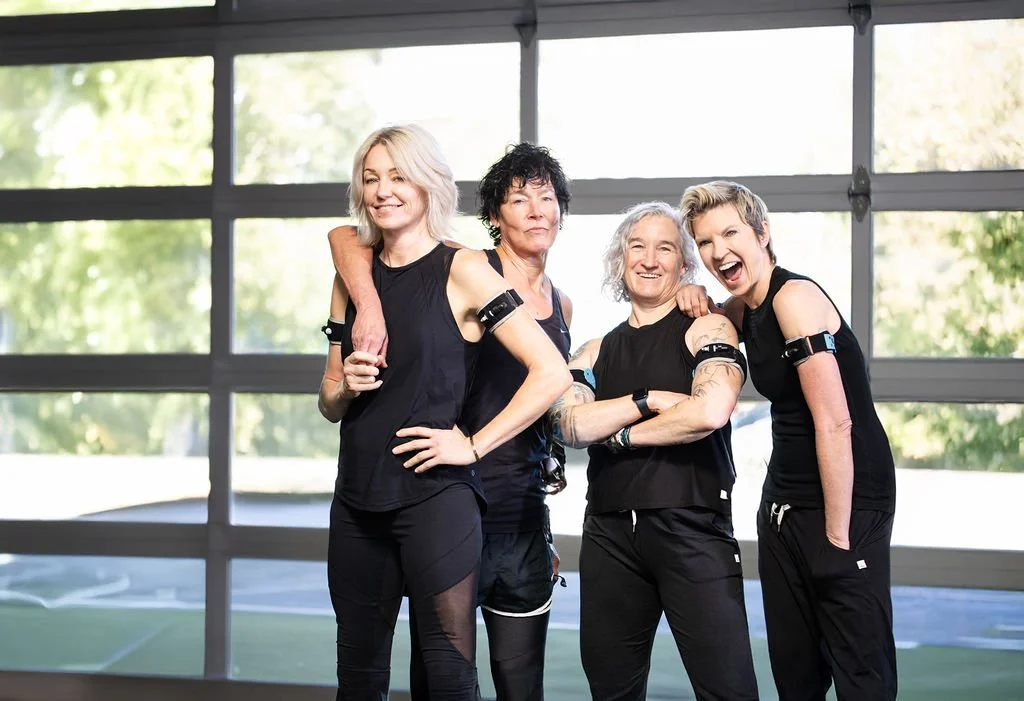
What We Looked At
6-month real-world pilot study
Women ages 39–68 (average age 54)
20–30 minute sessions
3–4x per week
BFR strength + BFR cardio
Light weights, bodyweight, resistance bands
Not a lab. Not influencers. Real women. Real life.
What Actually Changed
-
Waist Circumference

-
Hip Circumference

-
Resting Heart Rate

-
Push-Ups (30 seconds)

-
Wall Sit Endurance

WHO THIS WORKED BEST FOR
Who Benefited the Most (And Why That Matters)
The biggest improvements weren’t random and they weren’t limited to advanced exercisers.
“The largest body composition improvements and strength gains were seen in participants who were exercising less than three days per week prior to the program.”
The strongest changes showed up in:
Women over 50
Women exercising less than 3 days per week before starting
Women starting with higher levels of pain or fatigue
Women who had been stuck, saw the most progress.
Participants exercising ≤3 days/week increased activity by ~2 extra days/week on average.
When training stops beating you up, you actually keep doing it.
SCIENCE SIMPLIFIED
This Is About Signal, Not Suffering
Your body doesn’t respond to how hard a workout looks.
It responds to what’s happening inside.
BFR works because it:
Creates a strong internal training signal
Uses lighter loads to reduce joint stress
Allows adaptation without long recovery times
This matters more as hormones shift and tolerance for “grind” drops.

Harder isn’t the answer. Smarter is.
It’s Not About How Heavy It Is
External Load
Heavy weights
Joint stress
Longer recovery
Internal Signal
Muscle fatigue
Metabolic response
Smarter adaptation
Your body responds to the signal — not the weight

What Training Actually Required
No bootcamps. No punishment. No fitness theater.
20–30 minute sessions
Guided (live or on-demand)
Simple equipment
Strength + cardio
Designed to be repeated week after week
Training that fits busy schedules.
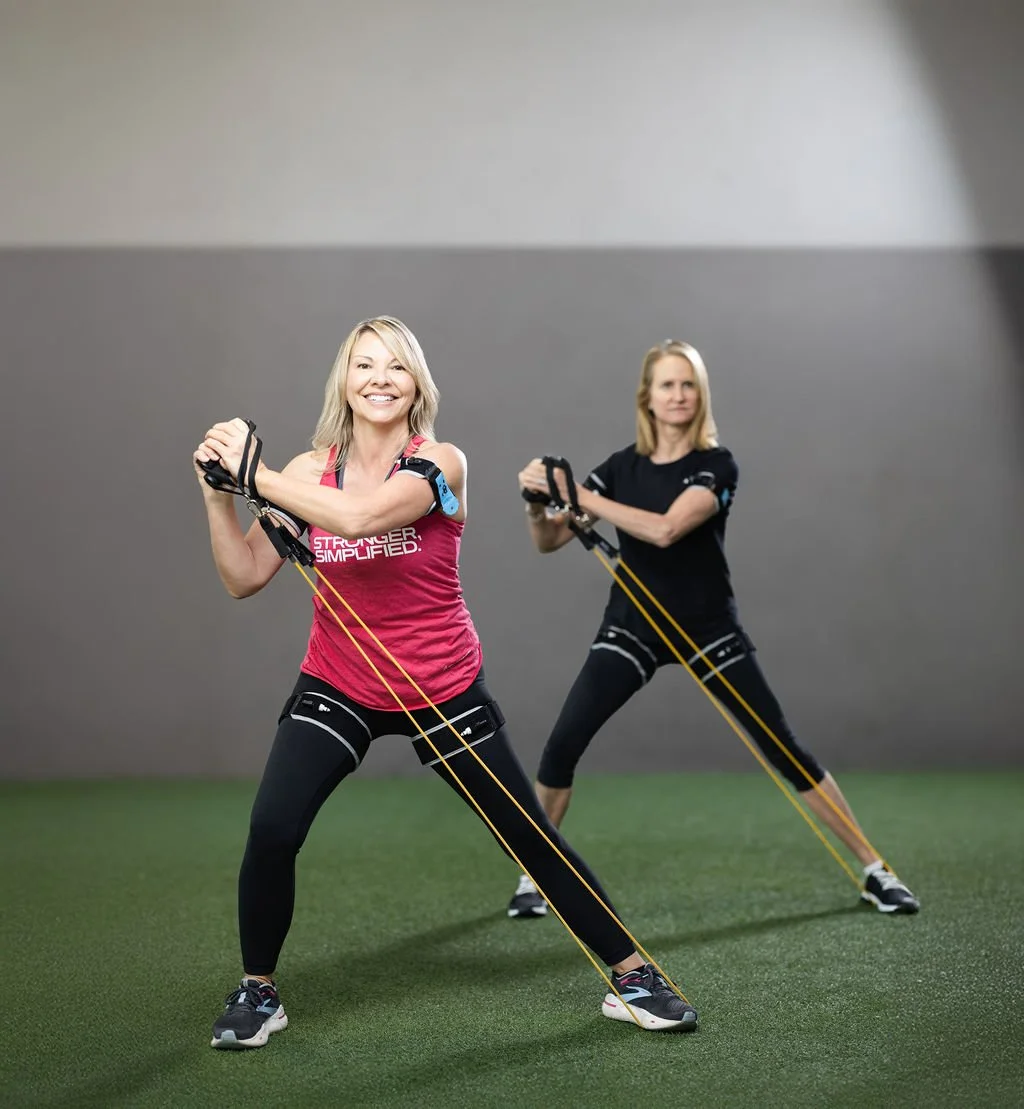
What This Looked Like in Real Bodies
Not before-and-after hype. Just progress.
One participant lost 4.25 inches from her waist and reported significant pain relief
Another added 25 push-ups and nearly 5 minutes to her wall sit
One woman reported a 5-point drop in exercise-related pain
Others reported improved motivation after years of inconsistency

Different starting points. Same pattern: Progress without punishment.
What This Study Was — And Wasn’t
Your body doesn’t respond to how hard a workout looks.
It responds to what’s happening inside.
This was:
A real-world observational study
Self-reported measurements
Real-life adherence
And that’s exactly why it matters.
This reflects what happens in real life, not perfect lab conditions.
This Is Why We Train the Way We Do
f you’re tired of working harder for fewer results, feeling sore instead of stronger, wondering why what used to work doesn’t anymore.
Train Smarter isn’t a tagline. It’s a decision.
*This study reflects real women training in real life. Individual results will vary.